
Tail-Wagging? Not So Fast
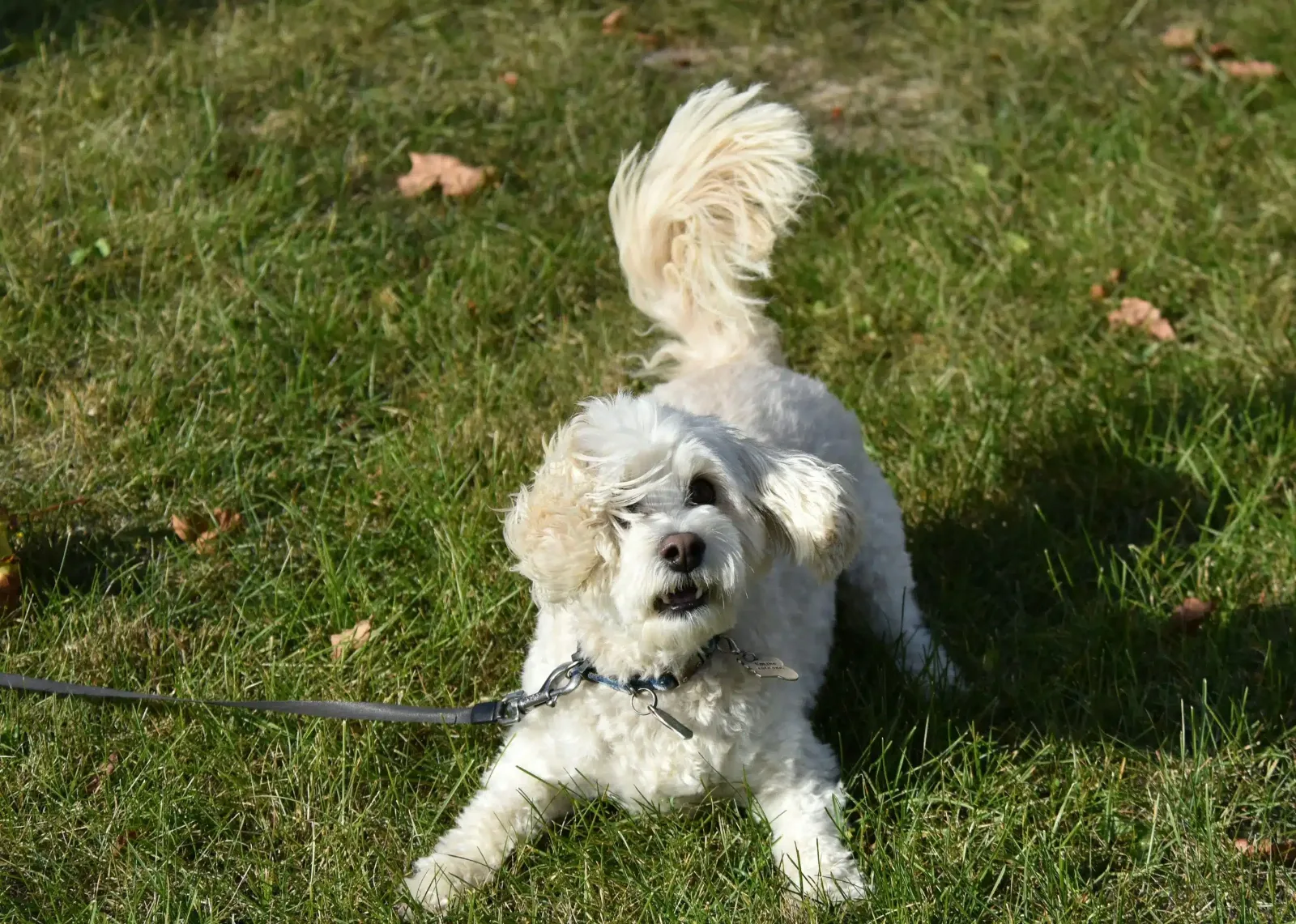
I thought when I saw a dog wagging his or her tail, I was looking at a happy dog. After all, a wagging tail is a sign of happiness. Wrong! Not just wrong; not even close.
First, some background. I have a 23-pound-dog named Rascal. He’s named after the raccoon, Rascal, in the
autobiographical book,
Rascal
, written by Sterling North
. Recently, a dog of similar size approached Rascal. Both dogs were wagging their tails. Yours truly believing they were happy, which brings me back to,
not even close.
The moment the other dog got near, Rascal tried to bite him. But his tail was wagging! And then, I looked into what it
means
when a dog is wagging its tail?
A bit of research allowed me to discover, “
that tail wagging can also be an indication of fear, insecurity,
challenging of
dominance
, establishing social relationships, or a warning that the dog may
bite
.”
Live and learn, as they say. Rascal and I have talked the tail-wagging matter over. He said he’s sorry about my thinking “mixed signals,” adding that his tail’s behavior is driven by his DNA. In other words, he can’t help it.
Like I said, live and learn.